Household waste law: disposing items after Notting Hill move
Posted on 05/07/2026
Moving home in Notting Hill is busy enough without standing in the hallway at 9pm wondering where the old sofa, broken lamp, or three bags of mystery cables are supposed to go. The rules around household waste law: disposing items after Notting Hill move can feel oddly specific, and to be fair, they are. What looks like a simple clear-out can quickly turn into fly-tipping, improper disposal, missed recycling opportunities, or just an expensive mistake if you are not careful.
This guide breaks the topic down in plain English. You will learn what the law and local waste rules generally mean, how to sort items safely after a move, what to do with bulky furniture and awkward bits, and how to stay on the right side of the rules without making your moving week any more stressful than it already is.
And yes, there is a sensible way to do this. It just needs a bit of structure.
Why Household waste law: disposing items after Notting Hill move Matters
After a move, household waste stops being background noise and becomes a live issue. Boxes pile up, packaging gets torn, furniture no longer fits the new layout, and you suddenly discover things you have not used in years. The legal side matters because waste in the wrong place, or in the wrong bin, can create problems for you, your neighbours, and the wider street.
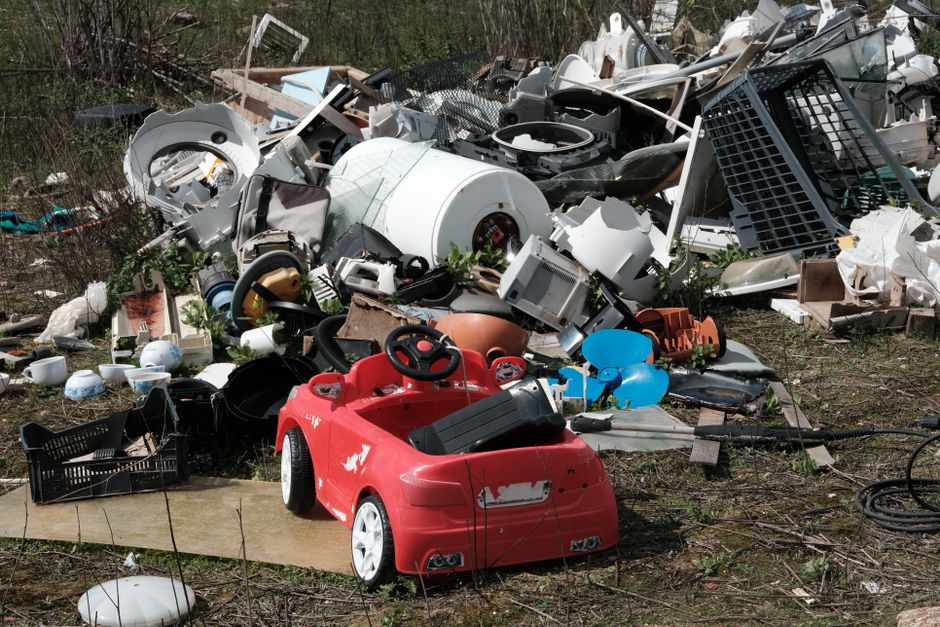
In Notting Hill, where many homes are flats, basement conversions, mansion blocks, or compact terraces with limited storage and shared bin areas, careless disposal tends to show up quickly. One large item left beside a communal bin is not just untidy; it can be classed as illegal dumping if handled badly. That is why post-move waste decisions matter more than many people expect.
There is also a practical side. Good disposal habits save time, reduce clutter, and often make the rest of the move feel lighter. If you have ever boxed up a home and realised half the "maybe keep" pile was just carrying emotional baggage, you will know the feeling. Some items deserve a second life, some should be recycled, and some just need proper disposal.
If you are planning a broader move in the area, it can help to read about a Notting Hill removals checklist for Ladbroke Grove W11 and practical tips for Portobello Road flats, because waste planning is easier when it is built into the move rather than left for the last evening.
How Household waste law: disposing items after Notting Hill move Works
At a high level, household waste law and local waste rules usually revolve around three ideas: separation, responsibility, and proper disposal. That means household rubbish should be sorted correctly, large items should not be left randomly in communal spaces, and anything that cannot go in normal bins needs a legitimate disposal route.
In practice, the process often looks like this:
- Sort items by type. Keep general waste, recycling, reusable goods, electricals, textiles, and bulky items separate where possible.
- Check what can be reused or donated. A chair that is structurally sound is not waste just because you are moving on.
- Identify items that need specialist handling. This includes fridges, freezers, mattresses, large furniture, paint, and certain electricals.
- Choose the right disposal route. Use normal household bins where permitted, arrange a collection, use a recycling route, or book a lawful bulky-waste service.
- Leave no trail behind. Don't place items on the pavement, in front of bins, or beside a communal entrance unless the collection has been arranged and allowed.
The big idea is simple: if an item leaves your home, you remain responsible for ensuring it goes somewhere lawful. That is one of those things people forget in the moving scramble. The item may be out of sight, but the responsibility is still yours.
For readers dealing with heavier or awkward pieces, it may also be worth looking at bulky furniture disposal after a Notting Hill move, especially if you are deciding whether to keep, sell, donate, or remove something that will not fit into a standard waste bag.
Key Benefits and Practical Advantages
Following the correct waste process after a move is not just about avoiding trouble. It actually makes the whole transition cleaner, calmer, and less wasteful.
- Less stress on moving day: If waste is pre-sorted, you are not making last-minute decisions under pressure.
- Lower chance of fines or complaints: Proper disposal reduces the risk of enforcement action, especially where communal streets and shared entrances are involved.
- Better use of space: Removing unwanted items early gives you room to unpack properly.
- More recycling, less landfill: Reusing and recycling items is usually the most sensible first option.
- A cleaner handover: If you are leaving a rented flat, a tidy exit can matter a lot. Estate agents notice, landlords notice, and neighbours definitely notice.
There is also a quieter benefit that people do not talk about enough: it helps you close the old chapter. Clearing out the broken kettle, duplicate cutlery, and that one wobbly bookcase can be oddly satisfying. A bit like opening the windows on a cold morning and letting the stale air out.
If you are planning the move itself, service pages like house removals in Notting Hill and flat removals in Notting Hill can be useful for understanding the logistics around transport, access, and timing.
Who This Is For and When It Makes Sense
This topic matters to almost anyone moving out of a home in Notting Hill, but it is especially relevant if your move involves a lot of mixed household items. In our experience, that usually means people who have lived somewhere for a while, tenants leaving furnished flats, families downsizing, or anyone moving between properties where storage space is tight.
You are likely to need a clear disposal plan if you are:
- moving from a flat with limited lift or stair access
- clearing out furniture that will not fit in the new place
- disposing of packaging after a packed move
- leaving behind worn items that are not worth transporting
- managing a same-week or same-day move with little time to sort waste
This also comes up for students, professionals, landlords, and small business owners using home office space. A "household waste" problem can sometimes be a hybrid one: old office chair, broken monitor, food waste from the final fridge clear-out, and cardboard from a dozen boxes. A neat little pile of chaos, basically.
If you are tight on time, the page on same-day removals in Notting Hill may also be relevant, because disposal planning gets harder when the move itself is compressed into a single day.
Step-by-Step Guidance
Here is the simplest way to handle disposal after a Notting Hill move without tripping over avoidable problems.
1. Do a room-by-room sweep
Start with the obvious. Wardrobes, kitchen cupboards, under-bed storage, utility corners, bathroom cabinets. Look for items that have been hiding in plain sight. Old extension leads, chipped crockery, expired cleaning products, spare hangers, random screws in jars. The usual suspects.
2. Separate reuse from waste
Make a fast decision on each item: keep, donate, sell, recycle, or dispose. If you are undecided, ask a simple question: would I genuinely pay to move this into the new property? If the answer is no, it probably belongs in the out pile.
3. Check whether the item needs specialist disposal
Some things need more care than others. Electrical appliances, mattresses, large furniture, and anything with fluids or hazardous residue should not just be thrown out casually. This is where many people get stuck, because the item looks ordinary, but disposal is not.
4. Break down bulky items where safe
Wardrobes, beds, desks, and shelving often become easier to move or remove once partially dismantled. Do this carefully. Keep screws and fittings in labelled bags. And yes, keep the Allen key where you can actually find it later. The number of people who pack it "for safety" and never see it again is, frankly, alarming.
5. Use lawful collection or disposal routes
Depending on the item, this may mean placing it in the right household bin, taking it to a recycling point, arranging a bulky waste collection, or using a removal service that can handle both transport and disposal responsibly.
6. Leave communal and street areas clear
If you live in a shared building, do not leave waste in hallways, by bin stores, or on pavements unless it has been arranged for collection and permitted. This is where complaints usually start. One bag too many in the wrong place and suddenly the whole building has opinions.
7. Keep a record of what you disposed of
For renters especially, keeping basic notes can help if a landlord or agent queries what was left behind. A few photos before final departure can be helpful too, though nobody needs to make a dramatic documentary about it.
Practical summary: Treat post-move waste like a mini project, not an afterthought. Sort early, separate reusable items, handle bulky items properly, and never assume a pavement pile is an acceptable shortcut.
Expert Tips for Better Results
After enough moving days, a few patterns become obvious.
First, start waste sorting before packing is finished. If you leave it until the last load, everything becomes mixed together and the job takes twice as long. A small box of rubbish in every room becomes a mountain by evening.
Second, use the move to audit your household properly. That means looking at duplicates, broken items, half-used decor, and old packaging you have somehow been carrying from one home to another. Moving is a natural reset point. Use it.
Third, be realistic about time. A lot of people imagine they will sell everything online or donate it all. Sometimes that happens. Often it doesn't. The safest plan is to have a disposal route ready for items that are not picked up or do not pass a quick quality check.
Fourth, think about access. In Notting Hill, access can be the real headache. Narrow streets, shared entrances, tight staircases, and parking pressure all matter. If a bulky item needs carrying down three flights at 7am, you want a plan, not optimism.
Fifth, keep waste bags sensible. Overfilled sacks split, leak, and make the final clean-up unpleasant. Nobody wants to chase tea bags and packaging foam down a corridor. Been there, not fun.
For people who want a cleaner moving workflow, the company's packing and boxes guidance can help reduce the amount of leftover packing material you have to deal with afterwards.
![A row of multi-storey terraced houses with Victorian-style architecture, featuring large sash windows, decorative cornices, and bay windows on the ground and first floors. The buildings are brickwork with some facades painted in pastel colours, including white and light pink. The image shows a clear blue sky, with sunlight casting shadows on the building fronts. The areas below the windows and the bay windows on some sections have potted plants, and the facades are clean and well-maintained. This residential street scene is relevant to house removals and moving services, illustrating typical urban home exteriors encountered during home relocation or furniture transport processes, as provided by companies like [COMPANY_NAME].](/pub/blogphoto/household-waste-law-disposing-items-after-notting-hill-move2.jpg)
Common Mistakes to Avoid
Most post-move waste problems are not dramatic. They are just small mistakes repeated at the wrong time.
- Leaving items beside bins: This is one of the most common errors, and it can easily become illegal dumping if it is not properly arranged.
- Mixing recyclables with general waste: It adds avoidable cost and reduces the chance of materials being recovered properly.
- Assuming someone else will deal with it: Neighbours, building managers, and even movers are not automatically responsible for your unwanted items.
- Forgetting about electricals: Old chargers, kettles, monitors, and small appliances need proper handling.
- Ignoring bulky-item rules: A sofa is not the same as a bin bag. Sounds obvious, but people still make this mistake under pressure.
- Leaving it all for the final hour: That is how things get thrown out badly, or not thrown out at all.
A subtle one is emotional over-retention. People keep broken things because they feel easier to decide about later. Later rarely arrives. The box just sits there.
It also helps to avoid moving-related short cuts in general. If your move involves a vehicle and limited loading space, read up on van routes and parking near Notting Hill Gate so you are not trying to dispose of waste and manage access at the same time.
Tools, Resources and Recommendations
You do not need fancy equipment, but a few simple tools make the process much smoother.
- Sturdy waste sacks: Better than thin bags that split halfway down the stairs.
- Marker pens and labels: Useful for separating recycling, keep, donate, and dispose piles.
- Heavy-duty gloves: Particularly useful when handling broken furniture, dusty storage items, or old fixtures.
- Box cutter or screwdriver set: Handy for dismantling furniture and flattening packaging.
- Cleaning cloths and a dustpan: For the final sweep once items are removed.
For a full move, it can also make sense to use a provider that covers multiple stages of the job. The broader services overview is a sensible place to understand the range of moving support available, while man and van support in Notting Hill may suit smaller clear-outs or short-distance item disposal.
If sustainability matters to you, a page such as recycling and sustainability is worth a look because it reinforces a better habit: dispose less, recycle more, and reuse whenever the item still has a useful life.
One more quiet recommendation: take photos before dismantling furniture or loading it for disposal. That can help with memory, claims, or just basic organisation. Not glamorous, but useful.
Law, Compliance, Standards, or Best Practice
Household waste law in the UK is best understood as a responsibility framework rather than a single neat rule. For ordinary householders, the core expectations are usually straightforward: dispose of waste responsibly, do not dump items on public land, and follow local collection or recycling arrangements where they apply.
In a Notting Hill context, the most important practical compliance points are:
- Do not place waste where it may obstruct pavements, entrances, or shared areas.
- Do not assume an item can be left out "for collection" unless that collection is actually arranged and permitted.
- Separate recycling and general waste where possible.
- Use proper routes for bulky waste, electrical items, and anything that could cause harm or contamination.
- Keep your own disposal decisions documented if you are leaving a rental property or shared building.
Best practice also means being considerate to neighbours. In a dense area, one abandoned mattress or pile of cardboard can create a chain reaction: blocked access, complaints, and avoidable clean-up for everyone else. Nobody wants to be the story in the building WhatsApp chat.
If you are checking wider move-related expectations, the article on Kensington & Chelsea council rules for Notting Hill moves is a helpful companion read because waste, parking, and access problems often overlap.
Where uncertainty exists, the safest course is simple: use the most responsible disposal route available, and avoid any action that would make the waste look abandoned. That cautious approach is usually the one that keeps things tidy and avoids trouble.
Options, Methods, or Comparison Table
Different items call for different disposal methods. Here is a practical comparison to help you choose.
| Method | Best for | Pros | Limitations |
|---|---|---|---|
| Reuse or donate | Good-quality furniture, decor, usable household items | Lowest waste, often free, good for the environment | Items must be clean, complete, and in acceptable condition |
| Sell privately | Furniture, appliances, useful home items | Can recover some value | Can be slow and unpredictable, especially during a move |
| Recycling | Cardboard, certain electricals, metal items, textiles where accepted | Responsible and efficient | Items must be sorted correctly; not everything is recyclable everywhere |
| Bulky waste collection | Sofas, mattresses, wardrobes, large household items | Convenient for large pieces | May involve booking and specific collection rules |
| Removal service with disposal support | Mixed clear-outs, awkward or heavy loads | Useful when time is tight and access is difficult | Cost and scope vary; check what is included |
For many people, a mix of methods is best. For example, keep the good bookshelf, donate the mirror, recycle the cardboard, and arrange proper disposal for the broken bed base. Real life is rarely a single neat category, and that is fine.
Case Study or Real-World Example
Imagine a tenant leaving a second-floor flat near the Ladbroke Grove side of Notting Hill after a five-year stay. The final week reveals what the cupboards have been hiding: one broken coffee table, a mattress protector, two bags of cardboard, a dead desk lamp, and a solid wood chair that is still usable but no longer wanted.
The first instinct is to put everything in black bags and hope for the best. Very human. Very risky.
A better approach is to sort the items immediately. The chair is cleaned and listed for donation. The cardboard is flattened and prepared for recycling. The lamp is set aside for proper electrical disposal. The broken coffee table is dismantled because the legs make it awkward to carry. The mattress protector is bundled as general waste only if local rules permit, and otherwise handled through the proper route.
What changed? Not the amount of stuff, really. Just the method.
Instead of one stressful, messy exit, the tenant ends up with a clearer flat handover, fewer bags, less panic, and no awkward confrontation with the building manager about items left in the hallway. That is the kind of small win that makes moving day feel a lot less like a fire drill.
For people who want this process handled more smoothly, a smaller-scale vehicle solution such as man with a van in Notting Hill can be practical for moving or removing selected items, while furniture removals in Notting Hill is more suitable when the challenge is larger, heavier pieces that need proper handling.
Practical Checklist
Use this checklist as the last sweep before you hand back keys or settle into the new place.
- Walk through every room and identify unwanted items.
- Separate keep, donate, recycle, and dispose piles.
- Flatten cardboard and packaging where possible.
- Set aside electrical items for the correct disposal route.
- Break down bulky furniture only if it is safe to do so.
- Check building rules for shared bins, corridors, and collection areas.
- Do not leave bags or furniture beside the pavement unless a lawful collection is arranged.
- Keep basic photos or notes of what was removed.
- Arrange transport or collection before moving day, not after.
- Do a final sweep of cupboards, storage spaces, and under furniture.
If you want a broader moving prompt list, the page on hidden costs in Notting Hill moving quotes is useful because waste removal, access issues, and last-minute disposal are all the kinds of extras people forget to budget for.
Conclusion
Household waste law after a Notting Hill move is really about doing the ordinary things properly: sorting waste, respecting shared spaces, using the right disposal route, and avoiding the lazy shortcut of leaving items where they do not belong. Nothing dramatic. Just good moving manners, legal common sense, and a bit of planning.
The more organised your disposal process is, the calmer the whole move feels. You unpack faster, the old place looks cleaner, and you avoid that lingering feeling that something important got missed. And honestly, that relief matters. It's the final bit of the job that lets you exhale.
Get a free quote today and see how much you can save.
When the boxes are gone and the rooms are quiet again, it is nice to know you handled the last part with care.