Removal Companies in Notting Hill

Removal Companies Notting Hill provides removal services in Notting Hill for homes, flats and small businesses that need a careful, organised move. The focus is on practical transport, loading and unloading, with a service shaped around access, timing and the handling of everyday household or office items. If you are moving within the area or out of it, the aim is to keep the work clear, controlled and straightforward from the first enquiry to the final delivery.
Our core work covers domestic removals, furniture moving, packing support and straightforward van-based transport. For customers comparing different approaches, the most suitable option often depends on volume, access and how much assistance is wanted with lifting and loading. You can read more about our removals service if you want a clearer idea of how the moving process is usually organised and which type of job each service suits best.
As with many moves in London, planning matters. Stairs, shared entrances, parking restrictions and item size can all affect the time needed on the day, so an accurate description of the contents is useful when requesting a quotation. If you are ready to discuss your move, view our pricing and quote information and ask for a quotation based on the details of your job.
House Removals and Flat Moves
House and flat removals in Notting Hill often involve more than simply moving boxes from one address to another. We handle the practical side of relocation with care for larger household furniture, mixed contents, fragile pieces and the order in which items leave and enter each property. That includes managing heavy items safely, keeping circulation routes clear and maintaining a sensible flow between loading, transport and delivery.
The service can suit full household moves, partial moves and situations where only selected rooms or items need to be transported. In compact properties, the value of a well-organised move is often in how easily the contents can be moved through hallways, stairwells and doorways. See our house removals page if you want a closer look at this part of the service and the kind of work it is designed for.
When preparing for a quotation, it helps to think in terms of item groups rather than a rough guess at the size of the job. A useful inventory normally includes beds, wardrobes, sofas, tables, appliances, mirrors, artwork and any awkward or oversized items. A short written list is often enough to begin, especially where access is simple and the load is fairly standard.
Commercial Moves and Office Relocation

Commercial removals need a different rhythm from a domestic move because business continuity, timing and document security may matter as much as the physical transfer of equipment. We can assist with office relocation work that involves desks, chairs, storage units, IT-related furniture and general workplace contents. The emphasis is on moving items in an orderly way so that the new space can be set up with less disruption to everyday operations.
For businesses comparing service types, it is often helpful to separate full relocation work from lighter transport or single-item movement. An office move may require a more structured plan, while a smaller business move may only need a van and loading support. Explore our office removals service for a better sense of how workplace moves are approached and how the task can be matched to the volume involved.
Helpful details for a commercial quotation usually include floor level, lift access, packing responsibility, the number of workstations and whether the move must be completed within a specific window. If you are arranging a business relocation, gathering those points before you enquire can make it easier to compare options and agree a practical schedule. A well-set-out brief helps the move feel orderly from start to finish.
Packing, Loading and Careful Handling
Packing support can make a removal easier to manage, especially when fragile items, mixed room contents or a limited amount of time are involved. Our packing and unpacking services are intended to support the move rather than replace it, giving customers a way to reduce the pressure of preparing items for transport. The work may include boxing smaller belongings, wrapping protected surfaces and organising items so that unloading is simpler at the other end.
Different belongings need different treatment. Books, kitchenware, ornaments, soft furnishings and framed pictures do not all travel in the same way, and a sensible packing approach takes that into account. Visit our packing and unpacking services page if you want to understand how this support can be combined with a removal booking or used on its own for selected parts of the move.
For customers who prefer to do some of the preparation themselves, the main aim is consistency rather than speed. Boxes should be closed securely, fragile items should be marked clearly, and loose parts such as shelves or fittings should be separated from the larger item they belong to. These small steps help the move run smoothly, especially where the load includes a mix of everyday possessions and more delicate pieces.
Man and Van Options for Smaller Jobs

Not every move needs a full-scale removals crew. A man and van service can be a practical choice for smaller household moves, furniture collections, student relocations or transport of a limited number of larger items. In that setting, the value lies in flexibility: the booking can be matched to the amount of help needed rather than to a larger moving pattern that would be unnecessary for a modest job.
If you only need selected items moved, the job may be more about access and handling than total volume. Sofas, appliances, beds and boxed belongings can often be transported efficiently when the route is straightforward and the load is clearly described. Read about our man and van service if you are deciding whether a lighter moving option is the best fit for your circumstances.
In practical terms, smaller jobs still benefit from preparation. It is worth thinking about whether items need disassembly, whether anything is unusually heavy or fragile, and whether the collection point is easy to reach. Clear instructions can save time on the day, but the most important thing is that the service matches the work you actually need done rather than a larger moving package.
Furniture Pick-Up and Single-Item Transport
Furniture pick-up work is useful when you need one or more large items collected from a seller, a storage unit or another property and delivered to a new address. This kind of move is often simpler than a full household relocation, but it still requires care with lifting, carrying and securing items in transit. We can help with the practical movement of items that are awkward to handle without support.
The best-known examples include wardrobes, beds, sofas, dining tables and office furniture, although the same approach can apply to many other bulky items. See our furniture pick-up service if you want a service focused on transport rather than a whole-property move. It is often a sensible option when the item is too large for a car but does not require a full removals team.
For single-item transport, the main quotation factor is usually not distance alone but the shape, weight and handling difficulty of the item. Narrow staircases, tight hallways or awkward corner turns can add complexity, so it is useful to mention those details when you enquire. Where possible, a brief description of the item and the access at both addresses is enough to begin.
Home Moves Across and Beyond the Area
Home moves can vary from a short local relocation to a longer move out of the neighbourhood, and the right service depends on what needs to be moved, how far it must travel and how much help is wanted with the physical work. We handle domestic moving tasks with a focus on safe loading, reasonable sequencing and delivery that respects the contents as well as the property itself.
Some customers need support for a straightforward move with clearly packed boxes and standard furniture, while others are dealing with a more mixed household load that includes fragile, awkward or partially disassembled pieces. Find out more about our home moves if you want a general domestic moving service rather than a page focused only on larger removals or one-off item transport.
Where home contents are varied, it helps to sort items into broad groups before requesting a quotation. That does not need to be a full inventory, but it should ideally show which rooms contain the heaviest furniture, whether any appliances are included and whether there are items that need extra care. The clearer the outline, the easier it is to match the work to the right vehicle and handling plan.
About Notting Hill
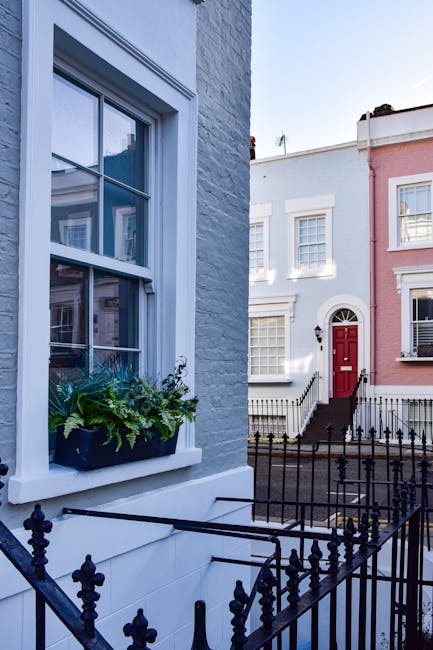
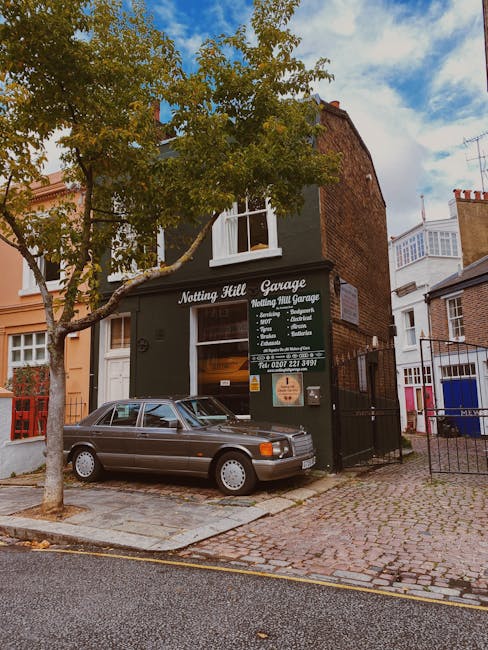
Notting Hill is a district in west London, straddling parts of the Royal Borough of Kensington and Chelsea and the City of Westminster. Its name is widely associated with the hill itself and with the changing character of the area from a once more open suburban landscape to a dense inner-London neighbourhood. Over time, the district became known for its terraces, garden squares and a strong architectural identity shaped largely by nineteenth-century development. Many streets are lined with stucco-fronted houses and mansion blocks that give the area a distinct visual rhythm. The area’s built environment includes conservation considerations in several places, which helps preserve the character that many people associate with Notting Hill today.
Recycling, Sustainability and Responsible Disposal

Moves often uncover items that are no longer needed, and it is sensible to think about reuse and disposal before the day arrives. Our recycling and sustainability approach is aimed at handling unwanted belongings in a more considered way, with an emphasis on keeping useful items in circulation where possible and avoiding unnecessary waste. That can be relevant whether you are clearing a single room, replacing furniture or preparing for a larger household move.
The practical question is usually which items can be reused, which should be separated for recycling and which need to be treated as waste. Read our recycling and sustainability information if you want to understand how those decisions can form part of a removal booking. It is especially helpful for customers who want to reduce clutter before moving day without turning the process into a separate project.
When sorting belongings, it helps to think in categories: items to keep, items to move, items to pass on and items that can no longer be used. That approach makes it easier to plan the move itself and avoids last-minute decisions at the door. It also gives you a better sense of how much space the remaining load will take and whether any items need special handling.
Insurance, Safety and Practical Protection
Safety matters throughout any removal because the work involves lifting, carrying, moving through shared spaces and placing items into transport in a way that reduces avoidable damage. Our insurance and safety information is relevant to customers who want to understand how the move is approached from a practical risk point of view. It is sensible to think about the protection of both belongings and property surfaces, particularly where stairs, doorframes or narrow hallways are involved.
Good moving practice includes clear lifting paths, sensible weight distribution and careful handling of items that are fragile, valuable or awkwardly shaped. See our insurance and safety page for more detail about the way risk and protection are considered within the service. The intention is not to complicate the job, but to make the process more predictable and controlled.
Some of the simplest steps are the most useful: securing loose parts, removing items from top-heavy furniture where appropriate and making sure breakable pieces are wrapped or boxed properly. These measures reduce strain on the move and help avoid delays caused by items that are not ready to travel. Careful preparation is often the best support for a smooth removal day.
Pricing Factors and What Shapes a Quotation

Quotation requests are usually easier to assess when the job is described in concrete terms. The main factors are typically the volume of items, the amount of lifting involved, the number of floors, the access at each property and whether there are any pieces that need disassembly or special care. Distance can matter too, but it is rarely the only point that affects the work.
If you are comparing removal options in Notting Hill, it helps to describe the move in plain terms rather than trying to guess at a category. A shorter move with difficult access may take more planning than a larger move with lift access and easy parking. Review pricing and quotes when you are ready to request a quotation and want to frame the job accurately from the outset.
Before you enquire, it is often enough to note what is being moved, where it is coming from, where it is going and whether any items need extra handling. If you have a preferred moving date or a narrow time window, include that too. Ask for a quotation when you are ready, and use the details you already have to make the estimate as useful as possible.
Contact the Team for a Removal Quote
Whether you are planning a full house move, a single-item collection or a business relocation, the best next step is to share the essentials of the job and ask for a quotation. That gives the moving plan a practical shape and helps ensure the right level of support is used for the work. If you already know the main items, the access details and the likely moving date, you are well placed to begin.
For customers who are comparing services, the key is matching the booking to the task rather than adding unnecessary extras. A clear description of the contents, the collection and delivery points, and any awkward access details will help the enquiry process stay simple. Use the service that fits the move, and let the quotation reflect the actual job rather than an estimate based on guesswork.
When you are ready to move forward, please request a quotation here. If you prefer to look over the service options first, the pages above give a useful starting point, and the team can then help you shape the move around the details you provide.