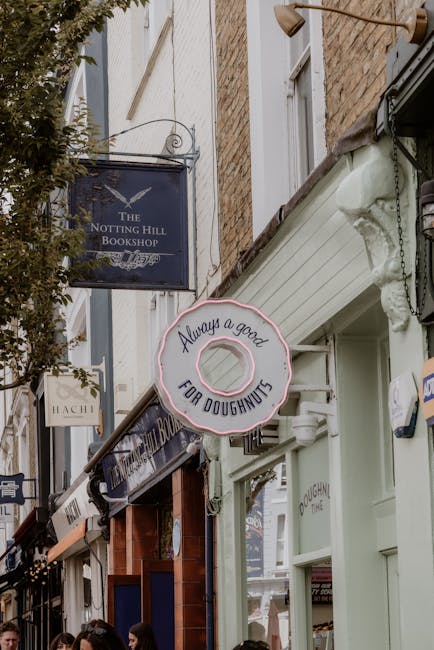
Small business move in Notting Hill: commercial removals
Moving a small business is never just about boxes and a van. It is about keeping customers happy, protecting stock and equipment, and making sure staff can get back to work without chaos hanging around for days. If you are planning a Small business move in Notting Hill: commercial removals, you are probably juggling a hundred little things at once: access on a narrow street, timing around opening hours, fragile items, parking, paperwork, and the slightly nerve-wracking thought of whether the whole thing will actually run to plan.
That is exactly why a commercial move needs more than good intentions. It needs a sensible plan, the right team, and a clear understanding of what to expect before moving day arrives. In this guide, we break down how small business removals work, what makes Notting Hill a bit different, and how to avoid the common mistakes that can turn a simple relocation into a very long week. No fluff, just the practical stuff that helps you move well.
As a quick note, if you are comparing service options, it can help to look at the wider range of support available through commercial moves, office removals, and office relocation services. The right choice depends on how much equipment you have, how quickly you need to reopen, and whether you are shifting a compact studio or a full office setup.
Contents
- Why Small business move in Notting Hill: commercial removals matters
- How Small business move in Notting Hill: commercial removals works
- Key benefits and practical advantages
- Who this is for and when it makes sense
- Step-by-step guidance
- Expert tips for better results
- Common mistakes to avoid
- Tools, resources and recommendations
- Law, compliance, standards, or best practice
- Options, methods, or comparison table
- Case study or real-world example
- Practical checklist
- Conclusion
- Frequently asked questions
Why Small business move in Notting Hill: commercial removals Matters
Notting Hill has its own rhythm. It is busy, characterful, and full of streets where a badly timed loading process can quickly get awkward. For small businesses, that matters because every hour spent unpacking is an hour not serving customers, answering calls, taking bookings, or selling anything at all. If you run a shop, studio, agency, salon, consultancy, or small office, the move affects far more than the contents of the room.
A commercial move in this part of London often means working around limited parking, busy footfall, tight access, controlled building entry, and neighbours who would rather not hear trolleys rattling at the wrong time of day. You do not need drama. You need coordination.
The real value of commercial removals is continuity. A good move protects your revenue, keeps staff informed, and reduces the hidden costs of downtime. Even a modest delay can spill into customer service issues, late orders, missed appointments, or a day spent hunting for chargers and key documents. Let's face it, nobody enjoys the first morning in a new space when the kettle is still wrapped in tape and the Wi-Fi login is somewhere in a forgotten email.
Expert summary: The best small business moves are not the fastest ones on paper; they are the ones where planning, packing, transport, and reopening all fit together cleanly enough that your business feels settled again quickly.
How Small business move in Notting Hill: commercial removals Works
Commercial removals usually start with an assessment of what is moving, what needs dismantling, what can be packed by staff, and what requires specialist handling. That can include desks, office chairs, filing cabinets, stock, POS equipment, computers, printers, shelving, archived files, and the occasional mystery item in the corner that nobody wants to claim. It happens.
For a small business move, the process is often simpler than a large office relocation, but it still benefits from structure. A remover will usually help with planning, loading, transport, and delivery, with optional extras such as packing support or furniture handling. If you need a more rounded moving plan, you may also want to explore removal services or add packing and unpacking services to reduce the workload on your team.
In practical terms, a commercial move often unfolds like this:
- Initial discussion and inventory review.
- Access check for both premises.
- Packing plan and labelling system.
- Disassembly of furniture where needed.
- Loading, transport, and safe unloading.
- Placement of items in the new space.
- Unpacking and basic setup, if requested.
The smoother moves are usually the ones where someone has already thought about the little things: who has the keys, whether the lift is bookable, which items must be moved first, and what time staff should arrive at the new site. Small details. Big difference.
For businesses that only need a smaller-scale move, a compact option such as man and van may suit light office furniture or boxes. If you have a bit more to shift, a larger vehicle such as a moving van or moving truck can be the more practical call.
Key Benefits and Practical Advantages
There is a reason many small businesses prefer to use a professional team rather than trying to piece together the move themselves. In theory, DIY sounds cheaper. In reality, the hidden costs can stack up fast: staff time, packing materials, vehicle hire, fuel, parking stress, damaged items, and the not-so-small matter of lost trading time.
Here are the most useful advantages of using organised commercial removals in Notting Hill:
- Less downtime: a coordinated move helps you reopen sooner and get trading again.
- Better protection for assets: office kit, stock, and furniture are handled more carefully.
- Less disruption for staff: people can focus on work instead of wrestling with boxes and trolleys.
- Stronger planning: a good removal plan reduces the chance of missed items and confusion.
- Safer handling: lifting, carrying, and transporting are done with more control.
- Improved local logistics: a mover familiar with London conditions will usually know how to work around tight access and timed loading.
There is also a psychological benefit that gets overlooked. A well-run move gives people confidence. Staff see that the business is in control, not scrambling. That matters more than many owners expect. A tidy relocation sends a quiet message: we are growing, we are organised, and yes, the new place is coming together.
Who This Is For and When It Makes Sense
Commercial removals are not just for big corporate offices. In fact, small businesses often have the most to gain because they have fewer spare hands and less room for disruption. If your business relies on in-person appointments, a smooth reopening can be the difference between a decent first week and a messy one.
This service makes sense if you are:
- moving a small office or shared workspace;
- relocating a shop, boutique, studio, or treatment room;
- opening a second premises and closing the first one;
- merging storage, stock, or equipment into a new location;
- downsizing after a lease change or business restructure;
- upgrading to a more visible or better-connected site in Notting Hill.
Sometimes the move is urgent. Sometimes it has been hanging over you for months. Both happen. If you are in that awkward middle ground where you know you need to move but you are not sure how much help you need, it is worth comparing small-scale options with broader removal company support and, where appropriate, removal companies that can handle a more complex job.
A move also makes sense if your business has outgrown its current layout. Sometimes the real problem is not the distance between premises. It is the fact that desks, storage, and customer areas have stopped working efficiently. In that case, the relocation is partly about space, partly about sanity.
Step-by-Step Guidance
If you want a calmer move, treat it like a project rather than an event. That one mindset change helps more than people realise. Here is a practical step-by-step approach that works well for a small business move in Notting Hill.
1. Decide what must move and what can go
Walk through the space with a notepad or spreadsheet and separate items into keep, move, donate, recycle, or dispose. A quick audit now saves time later. You may discover broken chairs, unused storage, or old paperwork that should never have survived three office rearrangements. Truth be told, every business has a drawer like that.
2. Plan access at both addresses
Check loading access, stairs, lift availability, parking restrictions, and the times when noise or delivery activity is least disruptive. Notting Hill streets can be lively and, at certain times, a bit unforgiving for large vehicle manoeuvres. The cleaner the access plan, the better the day runs.
3. Build a packing system
Label boxes by room, department, or function. Keep a separate box for essentials: chargers, keys, basic stationery, power cables, cleaning wipes, and anything you need before the rest of the office is ready. This little kit can save your first morning from becoming a treasure hunt.
4. Protect critical business data and devices
Back up files, log out of devices where needed, and keep sensitive documents secure. If you have customer records, private files, or payment equipment, they should travel in a controlled way, not vanish into the general pile.
5. Schedule the move around business hours
If possible, choose a day and time that limits customer disruption. Some businesses move after close of trade, others prefer an early start or a quieter weekday. The best timing usually depends on your customer flow, staffing pattern, and building access rules.
6. Confirm vehicle size and load order
Small businesses often underestimate how much space their furniture and archive boxes take up. A careful load order helps. Heavy items first, fragile items protected, and essential setup pieces near the back so they are easy to unload. If you need a smaller vehicle, something like man with van or man with van removal may work for light moves. For larger relocations, a full movers team is usually the better fit.
7. Reopen in phases if needed
Not every business needs to be fully set up in one go. You might prioritise customer-facing areas first, then admin, then storage. That phased approach is often the most realistic. It is not glamorous, but it works.
Expert Tips for Better Results
There are a few habits that consistently make commercial removals easier. None of them are dramatic. That is kind of the point.
- Start earlier than you think. Packing always takes longer than expected, especially if people keep "just one more thing" on their desks.
- Nominate one decision-maker. Too many voices slow everything down. One coordinator keeps the move moving.
- Use colour coding. It sounds simple, but it is brilliant for identifying rooms, teams, or priority items quickly.
- Photograph setups before dismantling. Screens, shelving, cables, and reception layouts are easier to rebuild when you have a reference.
- Keep fragile and valuable items separate. Don't mix everything together and hope for the best. That rarely ends well.
- Ask about insurance and handling processes. Good providers should be clear about how items are protected in transit. If you want to understand that side better, take a look at insurance and safety.
A small aside: the most successful business moves are often the ones that look boring from the outside. Boxes labelled properly. Desks put where they should be. No mystery cables. That is what good looks like. Boring is underrated.
If you are moving stock or unwanted office furniture at the same time, you may also find furniture pick up useful for clearing out items that no longer fit the new space.
Common Mistakes to Avoid
It is very easy to make a small business move harder than it needs to be. Most of the problems are predictable, which means they are also avoidable.
- Underestimating access issues: a vehicle may be big enough, but the street, lift, or entrance may not be.
- Leaving packing too late: this causes rushed labelling, missing items, and broken routines.
- Failing to assign responsibilities: if everyone assumes someone else handled the cables, nobody did.
- Not checking opening hours and building rules: some locations need advance notice for loading, lifts, or security entry.
- Moving without an essentials box: then the first morning becomes oddly difficult for no good reason.
- Choosing a vehicle that is too small: this creates extra trips, extra time, and more cost.
One of the most common mistakes is treating the move as a one-day task rather than a business continuity exercise. The actual lifting might be quick. The impact on work can last much longer if you have not planned the handover properly.
If the move is part of a bigger relocation or business reconfiguration, it may also help to compare the support offered by removal services with more focused office help like office relocation services.
Tools, Resources and Recommendations
You do not need a complicated toolkit, but a few practical items make business removals much smoother. Here is a sensible baseline.
- Strong boxes and tape: choose good-quality packing materials. Cheap tape has a habit of giving up at the worst moment.
- Permanent markers or labels: clear labelling prevents mix-ups when unloading.
- Protective wrap and blankets: useful for screens, furniture edges, and delicate items.
- Inventory sheet: even a simple spreadsheet can keep the move organised.
- Basic tool kit: screwdrivers, Allen keys, and cable ties save time during reassembly.
- Digital backups: keep files safe before devices are unplugged.
For businesses that want a more hands-off move, a package including packing and unpacking services can remove a lot of pressure from the team. If you only need the transport side, then a dedicated vehicle solution like removal van or removal truck hire may be the more efficient route.
And if you are at the very beginning of the process, comparing pricing and quotes is a sensible next step. Not all moves need the same level of support, so getting a clear quote helps you match service to actual need rather than guesswork.
Law, Compliance, Standards, or Best Practice
Commercial removals are not usually complicated from a legal point of view, but there are still standards and sensible practices worth respecting. For example, safe lifting, secure transport, and careful handling of equipment all matter. You should also think about staff wellbeing, access control, and the secure movement of documents or data-bearing devices.
In the UK, businesses generally have a duty to keep people safe and to avoid exposing staff, movers, or visitors to unnecessary risk. That does not mean every move needs a legal manual the size of a phone book. It does mean planning with care. If someone has to carry something heavy, awkward, or fragile, the process should be thought through first rather than improvised on the day.
Good best practice usually includes:
- clear instructions for movers and staff;
- safe manual handling;
- secure storage of sensitive items;
- transparent communication with building managers where required;
- checks on insurance, vehicle suitability, and working methods;
- proper waste handling or recycling for unwanted items.
If sustainability matters to your business, it is worth asking how unwanted furniture and packaging are managed. A responsible move should not create unnecessary waste. You can review the provider's approach via recycling and sustainability and see whether it matches your own expectations.
For customer confidence, clear business policies matter too. Pages such as health and safety policy, terms and conditions, and payment and security are all useful signals that a company takes the process seriously.
Options, Methods, or Comparison Table
Different business moves call for different approaches. There is no single perfect setup, which is why choosing the right method matters.
| Option | Best for | Strengths | Limitations |
|---|---|---|---|
| DIY move | Very small loads, minimal furniture, tight budgets | More control, lower direct cost | High staff time, more risk, more chance of disruption |
| Man and van | Compact business moves with boxes and light items | Flexible, practical, good for smaller relocations | Not ideal for larger furniture or complex setups |
| Dedicated moving van or truck | Moderate to larger small-business relocations | Better capacity, fewer trips, more efficient loading | May be unnecessary for tiny moves |
| Full commercial removals service | Businesses needing planning, packing, transport, and setup help | Lower stress, better coordination, less downtime | Higher upfront cost than DIY |
A simple rule helps here: if your move includes fragile equipment, customer-facing downtime, or more than a few desks and boxes, the fuller service option often pays for itself in saved time and fewer headaches. Not always, but often.
Case Study or Real-World Example
Imagine a small creative studio in Notting Hill relocating from a shared workspace to a nearby ground-floor unit. The team has four staff members, design screens, a printer, archived client files, sample materials, and several shelves of display stock. Nothing huge, but enough to become messy if handled casually.
Instead of packing as they go on the final afternoon, they create a simple inventory, mark each box by function, and separate critical items into an essentials crate. The movers arrive after closing, load the furniture first, then the boxed material, then the fragile equipment last. The next morning, the team opens with only a short delay. Wi-Fi comes online, screens are assembled, and by lunchtime the reception area looks mostly alive again. Not perfect, but properly functional.
What made the difference? Three things: early packing, clear labels, and choosing a service that matched the actual size of the move. That is the part people miss. The goal is not just to move stuff. The goal is to keep business moving.
In a different scenario, a small consultancy with little furniture but lots of files might choose a lighter setup with man and van removals and a focused packing plan. Same postcode area, different needs. That flexibility is what good commercial removals should offer.
Practical Checklist
Use this checklist to keep your small business move on track. Simple, yes. Useful, absolutely.
- Confirm moving date, access times, and building permissions.
- Decide what is being moved, stored, recycled, or disposed of.
- Create a room-by-room or department-by-department inventory.
- Label boxes clearly and keep an essentials box separate.
- Back up digital files and secure sensitive items.
- Measure entrances, stairs, lift space, and key furniture dimensions.
- Choose the right vehicle and team size for the job.
- Tell staff what to do, when to arrive, and who is responsible for each area.
- Check insurance, payment terms, and service details before confirming.
- Arrange unpacking priorities for the first day in the new space.
- Plan waste removal or recycling for unwanted items.
- Keep customer communication clear if any opening hours will change.
If you want a useful next step after the checklist, reviewing about us can help you understand the company background, while contact us is the practical route for starting a move conversation. If you are still comparing broader options, removals near me is a sensible way to look at local support without overcomplicating things.
Conclusion
A small business move in Notting Hill is never only about the physical relocation. It is about protecting momentum, keeping the workday intact, and landing in the new space with as little friction as possible. That takes planning, realism, and the right level of support. Not too much. Not too little. Just enough to keep the move calm and efficient.
If you remember nothing else, remember this: clear labelling, early planning, and realistic access checks solve more problems than last-minute effort ever will. A well-run commercial removal should feel organised, steady, and surprisingly uneventful. That is the dream, really.
Get a free quote today and see how much you can save.
Frequently Asked Questions
What is a small business commercial removal?
It is the process of moving a small company, office, shop, studio, or similar business premises from one location to another with professional handling of furniture, equipment, stock, and documents.
How far in advance should I plan a business move in Notting Hill?
As early as you can, ideally before the pressure becomes urgent. Even a small move benefits from advance planning because access, packing, and reopening details take longer than people expect.
Is a man and van service enough for a small office move?
Sometimes yes, especially for light loads or very compact setups. If you have furniture, sensitive equipment, or more boxes than you first thought, a larger or more structured service is usually better.
How do I reduce downtime during a commercial move?
Pack early, label clearly, move essentials first, and choose a schedule that avoids peak customer hours. It also helps to reopen in stages rather than trying to perfect everything on day one.
What should I do with unwanted office furniture?
Separate it during the planning stage. Depending on condition and usefulness, items may be reused, moved to storage, or cleared away as part of the move. Sustainability should be part of the decision, not an afterthought.
Do I need packing services for a small business move?
Not always, but they can make a big difference if your staff are busy or if you have fragile items, stock, or equipment that needs careful handling. It is one of those things that sounds optional until the week gets busy.
What makes Notting Hill commercial removals different from other areas?
Access can be more challenging because of street layout, parking pressure, and the general pace of the area. A mover with local experience will usually be better prepared for those conditions.
How do I know what size vehicle I need?
Make an inventory and estimate the volume of furniture, boxes, and equipment. If in doubt, ask for guidance early. Underestimating vehicle size is one of the easiest ways to make a move more stressful than it should be.
What should I check before confirming a removals quote?
Look at what is included, how access is handled, whether packing is covered, and how payment works. It also helps to check the company's policies and service details so there are no surprises on the day.
Are commercial removals safe for computers and sensitive equipment?
They can be, provided the items are packed and handled properly. Backing up data, protecting cables, and separating high-value items are all sensible precautions.
Can my staff help with the move?
Yes, and many small businesses do involve staff in packing or clearing desks. Just make sure responsibilities are clear so that critical items are not missed and nobody is left carrying the whole move on their own.
What if I also need help disposing of office items?
You may want to combine the move with a clearance or furniture pickup so unwanted items do not travel to the new premises by default. That makes the new space cleaner from day one.
What is the best way to get started?
Start with a room-by-room inventory, check access at both locations, and compare the level of service you actually need. Then request a quote and build the move around a realistic schedule. Simple is good here.